
After a death, probate can become the next hard thing before the family has had time to breathe. In Fort Worth, one person may be trying to secure a home, find account information, answer relatives, and understand court deadlines while still dealing with grief.
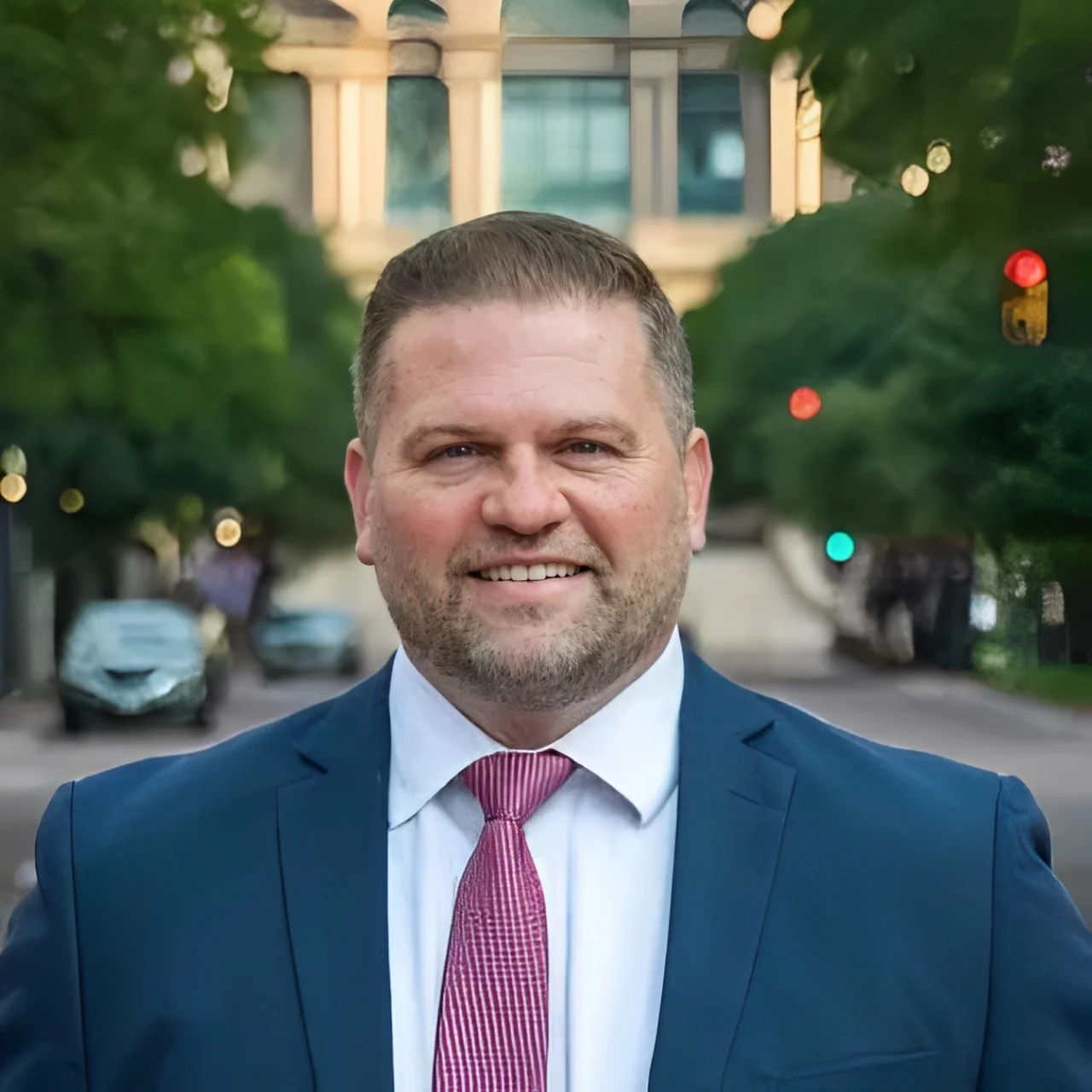
You are not expected to learn the Tarrant County probate process on your own. Probate Shepherd member attorneys help families organize the facts, understand what authority is needed, and decide what should happen first. Mike Sturgill can help Fort Worth families turn that early confusion into a plan that feels more manageable.
Fort Worth estates can involve homes near I-35W, I-30, the Cultural District, neighborhoods around 76102 or 76107, business interests, vehicles, and accounts that require legal authority before anyone can act. The right probate path depends on the will, the assets, where the person lived, and whether heirs or beneficiaries are aligned.
A steady first step means reviewing the documents before filing. That review can help determine whether the estate needs probate of a will, muniment of title, heirship, independent administration, or another route through Tarrant County probate.
Mike Sturgill and Themis Legal Group help Fort Worth families evaluate probate options and understand what each path requires. The focus is on translating the estate’s facts into a practical filing plan instead of letting the family guess from forms or general online explanations.
Families often call because a bank will not release funds, a property title needs to be cleared, a vehicle cannot be transferred, or relatives disagree about who should handle the estate. Mike helps identify the authority needed and explains what the court process is meant to accomplish.

“Families deserve to understand the probate path before they commit time or money. I focus on explaining the options plainly so the estate can move forward with fewer surprises.”
Mike Sturgill, Attorney at Law
Fort Worth probate may involve property near the Tarrant County courts, a family home that needs maintenance, rental property, mineral or business interests, creditor questions, or multiple beneficiaries who need clear communication. Those details matter because not every estate needs the same procedure.
The right next step depends on whether there is a valid will, whether heirs are known, whether property must be transferred, and whether someone needs formal letters from the court. A focused review helps the family choose the process that fits the estate rather than filing by habit.
That is why the Fort Worth page should not stop at a generic promise of help. A family may need to know whether a surviving spouse can act, whether children must receive notice, whether a house can be sold, or whether a simpler title-focused procedure is enough. Those details shape the filing strategy before the first document is prepared.
Additional Resources: Review the Fort Worth Probate Process or download Free Fort Worth Probate Forms before your consultation.
Themis Legal Group offers flat-fee probate options when the estate fits a defined scope, helping Fort Worth families understand cost before they move forward. That is especially important when the family is already managing funeral costs, household bills, insurance, and property upkeep.
Before quoting or starting a flat-fee matter, Mike can review the will, family information, assets, debts, and court authority needed. If the matter fits, the family gets a clearer picture of what is included, what is not included, and what issues could make the case more complex.
The goal is to move the family from unanswered questions to legal authority. That authority may be needed to talk with banks, sell or transfer property, manage estate funds, resolve creditor issues, or complete title work.
Fort Worth families often need help understanding whether the will alone is enough, who can serve, and how quickly action is needed. Mike Sturgill helps organize those questions into a practical Tarrant County probate plan.
Guidance Through Probate Disputes
When conflicts arise during the probate process—whether between heirs, beneficiaries, or executors—having knowledgeable legal assistance can make all the difference. An experienced probate attorney helps keep the process on track by providing unbiased advice and ensuring that emotions do not derail important decisions.
Attorneys can:
With the right support, you can move forward confidently, knowing your interests are protected and that any conflicts will be handled efficiently and professionally.
Occasionally, disagreements arise among heirs, beneficiaries, or even the executor regarding the distribution of assets or the handling of the estate. When these conflicts occur, the probate process can become delayed or more complicated than usual.
If you find yourself in this situation, your Probate Shepherd® Member Attorney can help you keep matters focused on facts rather than frustrations. They are skilled at navigating inheritance disputes—whether that means clarifying your rights, addressing concerns about the executor’s actions, or making sure everyone’s voice is properly heard in court. Their guidance not only helps to reduce family tensions, but can also move the matter toward a fair and timely resolution.
Texas probate laws can be complex, especially if there is no will or if the estate involves significant assets. A local probate lawyer understands state-specific procedures and can help avoid costly mistakes or delays.
Filing probate paperwork in the correct format and within required deadlines is critical. A Fort Worth-area probate lawyer can help ensure documents are prepared for the Tarrant County probate process.
Probate involves paying off the deceased’s debts and filing any necessary tax returns. A lawyer helps ensure compliance and prevents legal liability for the executor.
Disagreements over wills, inheritance, or estate management can lead to conflict. A probate lawyer can mediate or represent you in court if disputes arise.
If someone dies without a will (intestate), Texas intestacy laws determine how the estate is distributed. A probate lawyer ensures the correct legal steps are followed and all heirs are properly identified.
Losing a loved one is already emotionally challenging. A probate attorney can take on the legal burden, giving families peace of mind and allowing them to focus on healing.
Whether you’re an executor needing help administering an estate or a family member with questions about your rights, a probate lawyer in Fort Worth, TX can guide you through the process with professionalism and care.
The terms probate attorney and estate attorney are often used interchangeably, but there are subtle differences in focus depending on the context.
A probate attorney specifically handles the legal process that occurs after someone passes away. Their main focus is on:
Validating a will (if one exists)
Guiding executors through the probate process
Assisting with court filings
Settling debts and taxes
Distributing assets to heirs or beneficiaries
Representing clients in probate disputes or litigation
Think of a probate attorney as someone who helps after death with the legal transfer of assets.
An estate attorney (or estate planning attorney) typically focuses on preparing for what happens before death. Their main responsibilities include:
Drafting wills and trusts
Creating powers of attorney and medical directives
Helping clients reduce estate taxes
Setting up plans to avoid probate
Structuring asset transfers for business owners or high-net-worth individuals
Estate attorneys help individuals plan their estate, so their wishes are clearly documented and easier to carry out.
Probate attorneys = Handle the estate after death through the probate court process.
Estate attorneys = Help individuals before death to plan their estate and avoid complications.
In practice, many lawyers handle both probate and estate planning, and may refer to themselves as probate and estate attorneys depending on their services.
When someone dies, the type of lawyer you typically need is a probate lawyer (also called a probate attorney or estate attorney).
Filing the will in probate court
Opening the estate and guiding the executor or administrator through the probate process
Identifying and valuing assets
Paying debts and taxes
Distributing property to the rightful heirs or beneficiaries
Handling disputes among family members or creditors
An estate planning lawyer if the deceased had complex estate documents or trusts that need to be administered
A litigation attorney if there are legal disputes over the will or inheritance
A real estate attorney if property needs to be sold or transferred
A tax attorney or CPA if the estate is large and involves estate taxes or complex financial issues
In most cases, a probate lawyer is the first and most important professional to contact after someone dies, especially if you are the executor or a close family member trying to settle the estate. They will guide you through the legal steps required to properly handle the deceased person’s affairs.
A probate attorney is typically hired by the person responsible for managing a deceased individual’s estate, but others may also seek their services depending on the situation.
If the deceased left a will, the person named as the executor often hires a probate attorney to help carry out their legal duties and file paperwork with the probate court.
If there is no will, the court appoints an administrator, usually a close family member. That person may hire a probate lawyer to guide them through the process.
Sometimes heirs or beneficiaries hire their own probate attorney to ensure their interests are protected, especially if they believe the estate is being mismanaged or if there’s a dispute.
Family members who are unsure about how the estate is being handled, or who are concerned about the validity of the will, may also seek legal advice from a probate attorney.
In more complex estates, business partners or creditors may hire a probate lawyer to help secure payment or resolve legal obligations tied to the deceased’s estate.
A probate lawyer, also known as an estate attorney, provides legal guidance and services related to the administration of a deceased person’s estate. Their role is to ensure that the probate process is carried out in accordance with state laws and the decedent’s wishes, if a valid will exists.
Common Services Provided by a Probate Lawyer:
Advises executors (or administrators) on their legal responsibilities.
Helps beneficiaries understand their rights during probate.
Prepares and files petitions to open and close probate.
Submits required notices to heirs, beneficiaries, and creditors.
Ensures the will is legally valid under state law.
Handles contests or disputes related to the will.
Assists in identifying and valuing estate assets such as real estate, bank accounts, and personal property.
Helps pay off the decedent’s debts and liabilities.
Ensures estate taxes and income taxes are filed and paid correctly.
Ensures assets are distributed to heirs or beneficiaries according to the will or state intestacy laws if no will exists.
Represents the estate in litigation if there are disputes over the will, debts, or asset distribution.
Assists with administering any trusts established by the decedent’s estate.
A probate lawyer’s involvement can range from full-service handling of the entire probate process to limited assistance with specific tasks, depending on the complexity of the estate and the needs of the executor or family.
Probate can be a stressful and confusing process, especially when disagreements or disputes arise between heirs, beneficiaries, or executors. Your Probate Shepherd® attorney is here not only to help you move through the process as quickly and efficiently as possible, but also to assist in resolving any issues that may threaten to delay or complicate your case.
If tensions rise or questions of mismanagement emerge, your attorney will help you assert your rights, clarify misunderstandings, and keep the focus on fair, effective solutions. With experience in both straightforward and contested probate matters, they offer practical guidance to help you set emotions aside and ensure your loved one’s wishes are properly honored.
Understanding the Probate Process for All Estates
Whether an estate is straightforward and modest or involves complex assets and potential disputes, there is a probate solution tailored to your needs. The probate process can handle everything from validating a Last Will and Testament to distributing assets, even when a will does not exist.
No matter the size or complexity, your Fort Worth Probate Shepherd® member will guide you every step of the way—ensuring your loved one’s wishes are honored and your legal obligations are met.
Didn’t Find the Probate Service You Need?
If you can’t find the exact probate service you’re seeking, don’t worry—help is still at hand. Here are a few ways to move forward:
Your peace of mind matters. If you’re unsure where to begin, our team is always available to guide you through your next steps.
How a Probate Attorney Can Help
Whether your situation involves a straightforward distribution of assets or more complex, contested probate matters, Attorney Mike Sturgill is here to guide you every step of the way. As your trusted Probate Shepherd® member attorney, Mike can:
From the initial filing to final settlement, you can count on receiving attentive support and informed representation to help resolve probate issues efficiently and fairly.
Out-of-Town and Out-of-State Probate Assistance
Not located in Tarrant County? No problem—settling an estate remotely is entirely possible. Our team works with clients across Texas and throughout the United States, using secure online tools to make the process easy and accessible.
This means you can efficiently manage probate matters in Tarrant County—even from out of state. Reach out today to discuss your situation and let us guide you through every step.
Compassionate Guidance and Expert Advice Every Step of the Way
Navigating the probate process after the loss of a loved one can feel overwhelming, but you don’t have to go through it alone. A probate attorney provides both compassionate support and the legal know-how you need to move forward with confidence. From answering your initial questions with patience and clarity to guiding you through each court requirement, your probate lawyer is there to:
Whether you’re probating a will, seeking a determination of heirship, or handling estate administration, a good probate attorney will provide reassurance and clear direction at every step. Their goal is to take the stress out of a difficult time and ensure the process is as smooth as possible for you and your family.
What to Look for When Choosing a Probate Attorney
When selecting a probate attorney to guide you through the estate process in Fort Worth or Tarrant County, there are several important qualifications and experience factors to keep in mind:
Above all, choose a probate attorney who is approachable, responsive, and committed to delivering personalized legal advice. This way, you’ll have a trusted ally at your side, whether your probate matter is routine or unusually complex.
Probate Attorney Qualifications and Experience
When choosing a probate attorney, it’s important to look for someone with a proven commitment to ongoing legal education and a strong track record in your local courts. Qualified probate attorneys are typically active members of organizations such as the Tarrant County Probate Bar and participate regularly in legal seminars, review case law, and pursue continuing legal education to stay ahead of changes in probate law—all of which ensures they offer knowledgeable guidance.
Many reputable attorneys also hold specialized certifications, such as court-approved certificates to serve as ad litem attorneys, meaning the court can appoint them to represent the interests of heirs, beneficiaries, or unknown parties in probate proceedings. This added layer of training and experience demonstrates their dedication to the highest standards of professional service.
Choosing an attorney with these credentials means you’ll have someone skilled in the nuances of probate, able to efficiently handle your matter in Tarrant County, Texas.
Remote Probate Assistance
If you reside outside Fort Worth—or even outside Texas—there’s no need to worry. Our probate services are fully accessible no matter your location. Clients benefit from a secure, state-of-the-art online portal that lets you review documents, monitor case updates, and communicate with your attorney 24/7, regardless of time zone.
All it takes is an internet connection: You can log in, send messages, and receive responses from our team without delays. For clients who can’t be present locally, we can arrange for a resident agent to represent your interests, so you won’t have to travel to Tarrant County. This makes managing your estate process straightforward and efficient, wherever you call home.
If you are handling an estate in Fort Worth, near downtown, I-35W, I-30, 76102, 76107, or elsewhere in Tarrant County, talk through the facts before filing. A short review can help confirm whether probate, heirship, muniment of title, or another path fits the estate.
This site is protected by reCAPTCHA and the Google Privacy Policy and Terms of Service apply.
We assist families in Fort Worth, Tarrant County, downtown Fort Worth, I-35W, I-30, 76102, 76107, 76116, and nearby communities.
No representation is made that the quality, competence, speed, or cost of legal services to be provided is greater than, or less than, the quality, competence, speed, or cost of legal services performed by other lawyers in a specified jurisdiction. The cost, speed, and outcome of each legal case depends upon many factors, including but not limited to, the facts of the specific case and the laws and procedures of the jurisdiction in which the case arises. No attorney can guarantee or does guarantee a positive result in any particular case. Probate Shepherd®, LLC makes no express or implied warranties of any kind or nature regarding the quality, competence, speed, cost or outcome of any particular attorney in any particular case.
This website is for informational purposes only. This website is not intended to create, and does not create, an attorney-client relationship. Sending a question or comment via e-mail, voice mail, fax, SMS, MMS or any other means does not create an attorney-client relationship. Use of this website is not intended to create in any party any rights whatsoever. You should not rely on this website alone for making decisions regarding your legal matters, as that requires an analysis by an attorney licensed in your jurisdiction and must be of your specific facts in the context of existing law. It is recommended that you seek legal counsel for such matters.